


Popular Search

How To Use A Pet Translator: A Guide To Decoding Animal Vocalizations

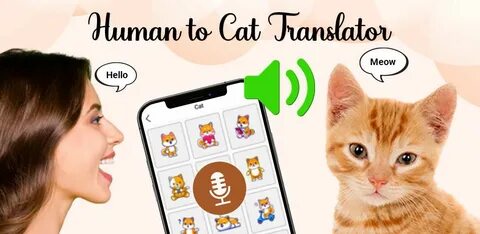
Have you ever wondered what your furry companion is truly trying to communicate with you? Modern pet translator applications provide a fascinating method to bridge that daily communication gap. These digital tools analyze unique acoustic patterns and match them with established behavioral frameworks. Could this emerging technology finally help you understand your companion better?
Navigating these new platforms might feel slightly overwhelming for first-time pet tech users. You will discover that proper calibration and realistic expectations create a much smoother experience. Learning the core features allows you to transform random notifications into meaningful daily routines. Are you ready to explore this innovative digital journey together?
Why Pet Translator App Usage Guide Is Worth Your Time
Integrating a digital assistant into your routine provides several practical advantages for modern owners. You can explore these potential benefits before diving deeper into the calibration process. Discovering these advantages could completely change how you interact each day. Would you like to see how quickly you can start using this tool?
- You may notice improved bonding as you recognize subtle emotional cues.
- The application can help identify potential stress triggers during routine activities.
- Tracking vocal patterns over time might reveal valuable health-related indicators.
- Structured feedback loops allow you to adjust training methods more effectively.
- Regular usage often encourages more mindful observation of natural behaviors.
- Personalized alerts may help you respond faster to urgent needs.
Step-by-Step Guide to Pet Translator App Usage Guide
Moving beyond basic setup reveals a clear pathway for optimal performance. You will find that following these structured phases leads to much clearer interpretations. Let us walk through the essential procedures together.
Step 1: Download and Initial Device Configuration
You should install the official software directly from your preferred mobile marketplace. Open the application and grant necessary microphone permissions during the initial setup wizard. This foundational configuration ensures accurate audio capture during all future recording sessions.
Step 2: Create a Custom Pet Profile
Enter your companion’s specific breed, age, and typical activity levels into the designated fields. Adding a clear photograph helps the algorithm establish reliable baseline recognition parameters. You will notice that highly tailored profiles yield much more relevant daily suggestions.
Step 3: Record Baseline Samples for Decoding Animal Vocalizations
Capture short audio clips of your animal making common sounds like gentle purring. Aim for roughly fifteen seconds per recording while actively minimizing surrounding background interference. How can you expect precise results without exceptionally clean reference audio?
Step 4: Analyze Pitch Variations for Decoding Animal Vocalizations
Play back your newly saved recordings and observe the frequency patterns displayed on screen. Mastering this frequency analysis is the core skill for effective decoding animal vocalizations. You might discover that higher tones often signal curiosity rather than distress.
Step 5: Map Contextual Cues When Decoding Animal Vocalizations
Cross-reference the generated text outputs with your pet’s immediate body language and surroundings. Notice how tail movements or ear positions align with the suggested vocal interpretations. Could combining acoustic data and visual cues significantly improve your overall accuracy?
Step 6: Implement Calibrated Responses During Daily Routines
Use the translated insights to gently adjust your feeding schedule or daily playtime duration. Maintain a consistent interaction style to reinforce this newly established communication feedback loop. Are you prepared to observe how these small adjustments enhance your routine?
Challenges to Be Aware Of
While digital translation tools offer remarkable insights, you should remain mindful of certain operational limitations. Understanding these potential hurdles helps you maintain realistic expectations during daily usage. Recognizing these boundaries ensures a more balanced and effective experience. How will you adapt your approach when encountering technical inconsistencies?
- Background noise from traffic or appliances may occasionally distort audio analysis.
- The software might misinterpret rare or breed-specific vocalizations during early usage.
- Overreliance on automated outputs could potentially reduce your natural observational skills.
Conclusion
Exploring this digital communication method requires patience, consistent practice, and a willingness to learn. You can gradually build a stronger connection by treating the app as a complementary guide. Regular calibration and mindful observation will naturally enhance your daily interactions over time. Are you prepared to start your journey toward deeper companionship today?
FAQ
How accurate are the translations for different pet breeds?
The software relies on generalized datasets that may not capture every unique vocal trait. Breed-specific variations can sometimes lead to broader interpretations during early usage sessions. You can improve overall precision by consistently updating your custom pet profile. Consider testing multiple recordings to establish a reliable baseline.
Can the app distinguish between playful sounds and distress calls?
Decoding animal vocalizations involves analyzing pitch, duration, and repetition patterns simultaneously. The algorithm attempts to separate energetic tones from urgent warnings based on environmental context. You will likely notice clearer distinctions after recording several practice samples. Review the historical logs to track these subtle differences.
What happens if my pet remains unusually quiet during a session?
Extended silence may indicate deep relaxation, mild discomfort, or simply a lack of stimulation. You should observe environmental factors and adjust your interaction approach accordingly. The application will prompt you when audio levels return to normal ranges. Use this quiet downtime to practice gentle observation techniques instead.
Is this technology suitable for multi-pet households?
The platform can handle multiple profiles, but overlapping sounds may complicate initial acoustic analysis. Recording each companion separately during the first week helps establish distinct audio signatures. You might need to manually tag overlapping clips during particularly busy periods. Explore the filtering settings to isolate individual vocal tracks.


Most Read


The 299 Dollar Monthly Payment Hack: Why Avis Used Cars Beat The Dealer

How To Find And Play All Kinds Of Gugu Gaga Penguin Games

How To Master Strategic Card Battles: A Complete Guide For Players

How To Create Your Unique Avatar: A Practical Guide For Players

How To Prevent Period Leaks

How To Unlock Rare Avakin Life Items Before They Disappear
Subscribe For New Quizzes



About us | Privacy Policy | Data Removal | Feedback
Copyright © 2019-2026 | All rights reserved.