


Popular Search

The Smart Buyer’s Guide To Cooper Tire Costs: Models, Pricing, And Savings Strategies

Replacing a set of tires is one of the most significant routine maintenance expenses for American vehicle owners, with a complete set often costing between $500 and $1,200 installed. Positioned directly in the mid-range sweet spot of the U.S. auto market, Cooper Tires (manufactured under the Goodyear Tire & Rubber Company umbrella) delivers premium performance, high treadwear warranties, and advanced safety features without the steep price tag of tier-1 brands like Michelin or Bridgestone.
While individual Cooper tires generally range from $100 to $300 per tire, knowing how to navigate tire sizing, seasonal promotions, and retailer markups can help you save $100 to $200 or more on a full set of four.
Key Drivers of Cooper Tire Pricing
Understanding why two tires of the same brand carry vastly different price tags comes down to four core engineering and market variables:
-
Tire Category & Application: Standard all-season touring tires require less raw material and specialized reinforced plies than heavy-duty off-road or light-truck (LT) tires. Consequently, passenger car tires sit at the lower end of the pricing spectrum, while rugged-terrain and mud-terrain models command premium pricing.
-
Rim Diameter & Load Rating: Larger wheel sizes dramatically increase manufacturing costs. A 15-inch sedan tire might cost $105, whereas a 20-inch version of the same tire model designed for a full-size SUV can cost $220 or more due to additional rubber, steel belting, and higher load capacities.
-
Proprietary Technology & Compounds: Cooper equips its tires with specialized features like Wear Square treadwear indicators, silica-rich rubber compounds for wet traction, and 3D micro-gauge siping for winter grip. Models packed with these advanced safety technologies carry a slight price premium, but deliver longer tread life and superior stopping power.
-
Retailer Distribution & Geographic Markups: Buying directly from a brick-and-mortar chain (like Discount Tire or Pep Boys) versus online tire distributors (like Tire Rack, SimpleTire, or Giga Tires) affects total out-of-pocket costs. Regional shipping fees, local labor charges, and state tire disposal fees also vary by location.
Cooper Tire Models: Price, Treadwear, and Vehicle Fitment
To help you budget accurately, the table below breaks down the most popular Cooper tire lines across major vehicle categories in the U.S., including average retail price ranges and factory treadwear warranties:
| Cooper Tire Model | Category / Primary Use | Typical Price Range (Per Tire) | Treadwear Warranty | Best For |
| Cooper Endeavor / CS5 Grand Touring | All-Season / Highway Touring | $100 – $150 | 65,000 – 80,000 Miles | Sedans, Coupes, Minivans, & Small CUVs |
| Cooper ProControl | High-Performance All-Season | $135 – $210 | 60,000 – 70,000 Miles | Luxury Sedans, Sports Cars, & Performance CUVs |
| Cooper Discoverer Road+Trail AT | All-Terrain / Mixed Pavement & Dirt | $160 – $230 | 65,000 Miles | Daily-Driven CUVs, SUVs, & Light Pickups |
| Cooper Discoverer AT3 4S / XLT | Heavy-Duty All-Terrain & Off-Road | $180 – $275 | 60,000 Miles | Half-Ton / Full-Size Pickups & Tow Vehicles |
| Cooper Discoverer STT Pro | Mud-Terrain / Extreme Off-Road | $220 – $320+ | N/A (Specialty Off-Road) | Dedicated Off-Road Vehicles & Lifted Trucks |
| Cooper Evolution Winter / True North | Dedicated Winter / Snow & Ice | $120 – $200 | N/A (Seasonal Winter) | Drivers in Severe Northern Snow Belts |
5 Practical Deal-Hunting Strategies to Save Money on Cooper Tires
If you want to minimize your out-of-pocket expenditure when buying new Cooper tires, implement these field-tested savings techniques before checking out:
1. Capitalize on Manufacturer Mail-In Rebates
Cooper regularly runs official manufacturer rebate promotions—most frequently during peak spring driving season (April–May) and ahead of winter weather (October–November). Purchasing a qualifying set of four tires during these promotional windows typically yields a $50, $75, or $100 Visa Prepaid Card via online mail-in claim submission.
2. Stack Online Discounts with Local Installation
Compare prices on online platforms like SimpleTire, Tire Agent, and Walmart against local tire shops. Online sellers frequently offer 5% to 10% instant checkout coupons or flash sales. Many can ship the tires directly to an authorized local installer near you, allowing you to lock in low online unit pricing while paying standard local mounting and balancing rates.
3. Evaluate "Cost-Per-1,000-Miles" Over Upfront Sticker Price
A $110 tire with a 40,000-mile rating costs $2.75 per 1,000 miles. In contrast, a $140 Cooper CS5 Grand Touring backed by an 80,000-mile warranty costs just $1.75 per 1,000 miles. Investing slightly more upfront in a long-lasting Cooper touring model lowers your long-term cost of vehicle ownership significantly.
4. Look for Retailer Financing and Cardholder Perks
Major auto service retailers (such as Discount Tire, Goodyear Auto Service, or Firestone) offer store credit cards with 0% APR promotional financing for 6 to 12 months on purchases over $199 or $299. During holiday sales events (Labor Day, Memorial Day, Black Friday), applying for or using store financing can double your rebate savings (e.g., boosting a $70 rebate to $140).
5. Audit Shop Quotes for Unnecessary Add-On Fees
When reviewing a final installation quote, check for optional line-item charges:
-
Mounting & Balancing: Mandatory (typically $15–$25 per tire).
-
Valve Stems / TPMS Service: Standard maintenance ($5–$10 per wheel).
-
State Tire Environmental Fee: Mandatory state tax ($1–$5 per tire).
-
Road Hazard Protection & Disposal Fees: Often optional. If you already have roadside assistance or drive infrequently on rough roads, you can decline optional road hazard packages to save $40 to $80 on the total bill.
How Cooper Compares in Value vs. Competitors
To contextualize Cooper's value proposition, consider where it sits relative to alternative market tiers:
-
vs. Premium Tier 1 (Michelin, Continental, Bridgestone): Premium brands often charge $200 to $350+ per tire. Cooper models frequently match these competitors in wet-braking performance and tread lifespan while saving buyers 20% to 35% on average.
-
vs. Ultra-Budget / Economy Tier (Westlake, Linglong, Sentury): While entry-level economy tires cost $60 to $90, they often compromise on wet traction, road noise, and durability, carrying brief 30,000-mile warranties or none at all. Cooper offers significantly superior safety engineering and double the mileage coverage for a modest price bump.
Frequently Asked Questions
Q: Are Cooper Tires manufactured by Goodyear?
Yes. Goodyear acquired Cooper Tire & Rubber Company in 2021. While Cooper operates as an independent brand within Goodyear's global portfolio, it benefits from shared manufacturing facilities, research and development, and expanded distribution channels across North America.
Q: How do I submit a Cooper tire rebate claim?
After purchasing a qualifying set of four Cooper tires during a rebate window, save your dated invoice showing the tire model, price, and retailer name. Visit the official promotional portal at CooperTiresPromos.com, upload an image of your receipt, and complete the digital claim form before the posted submission deadline.
Q: How often should I rotate my Cooper tires to keep the warranty valid?
Cooper requires tire rotations every 5,000 to 7,500 miles (or according to your vehicle manufacturer's recommended service schedule) to maintain valid treadwear warranty coverage. Always keep service receipts showing rotation mileage records.
Final Takeaway: Getting the Best Deal
Cooper Tires remains one of the top recommendations for budget-conscious American drivers seeking reliable, durable tires without paying tier-1 prices. To secure the best price possible, map out your tire replacement ahead of time, shop during spring or autumn rebate windows, and compare total installed prices across both online discounters and local tire retailers.


RECOMMEND ARTICLES


How To Buy A Used Transmission And Save Up To 70%: The Ultimate Budget-Smart Guide
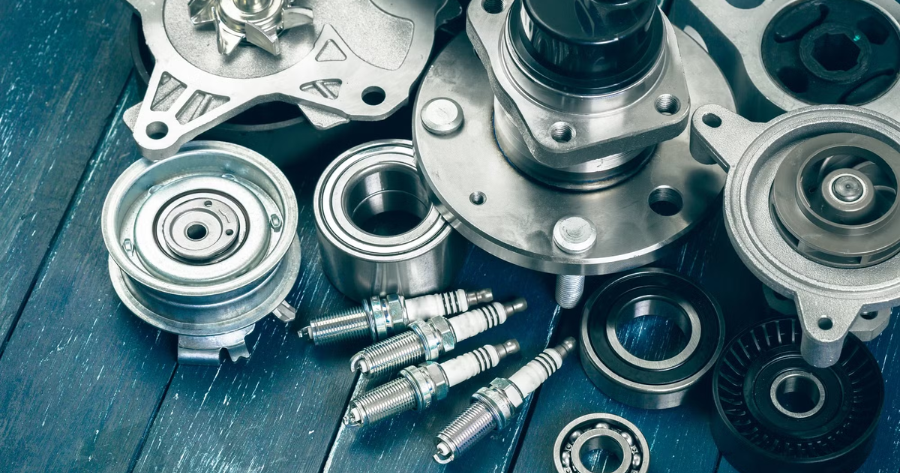
Wholesale Savings At Home: The Ultimate Guide To Budget Auto Parts In The US

How To Find Cool And Affordable Digital Display Screens For Your Car
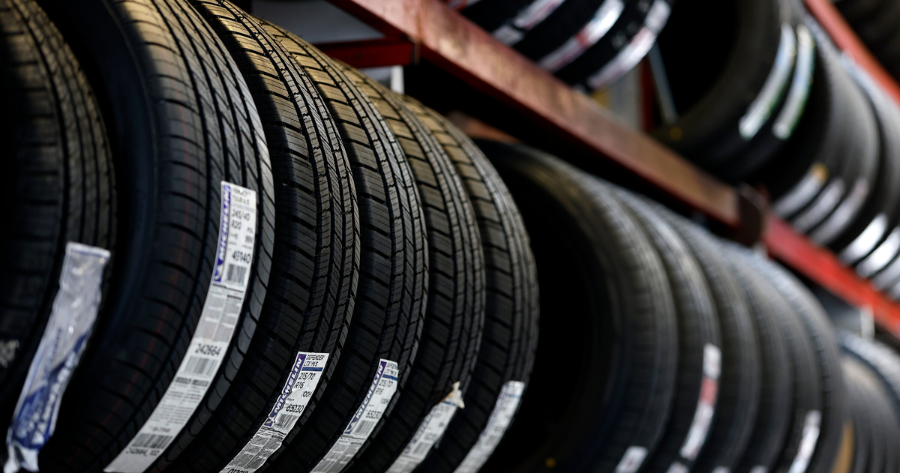
Maximizing Car Tire Discounts In Europe: Premium Performance For Budget Prices

The Complete Guide To Buying Car Insurance: Save Money, Stay Protected, Drive Legally
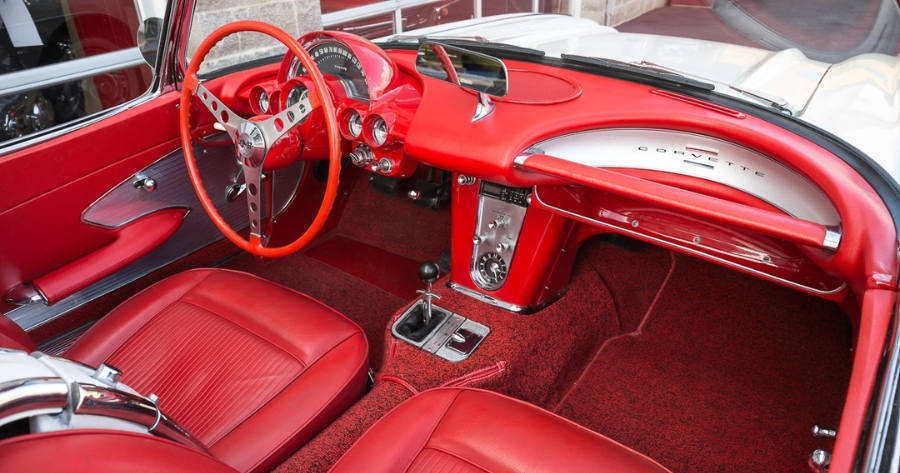
Top Trending Car Carpet Upgrades For 2026
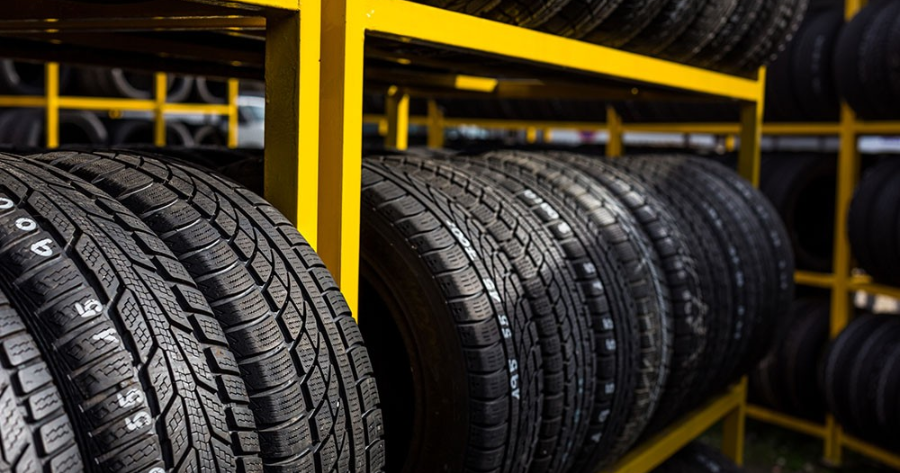
Strategic Rubber: The Insider’s Guide To Maximizing Tire Savings

How To Maximize Tire Savings Today
Most Read

How To Find The Best Affordable E-Bike Deals And Navigate Pay-Later Plans
How To Find A Reliable Used Tesla Model 3 For Sale Under $20k
How To Choose The Best Seniors Footwear For Daily Comfort And Fall Prevention

How To Build A Fake Alien UFO Detector Prank For Interactive Party Games

How To Find High-Paying Warehouse Jobs: Salaries, Roles, And Requirements

How To Create And Send Personalized Good Morning Greetings For Someone You Love: A Simple Guide For Seniors
Subscribe For New Quizzes



About us | Privacy Policy | Data Removal | Feedback
Copyright © 2019-2026 | All rights reserved.