


Popular Search

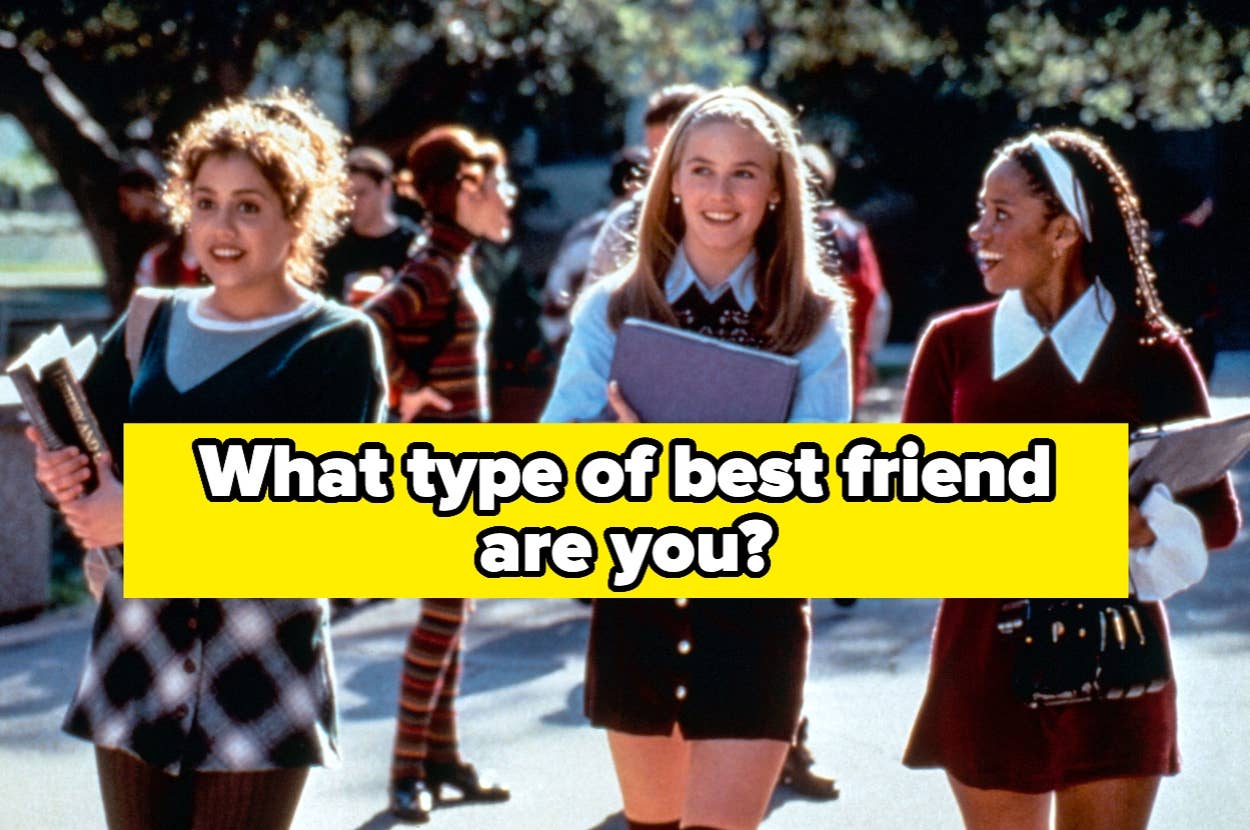
Who Is Your Best Friend?

Ready to stop guessing who truly has your best interests at heart? In this guide, you'll discover actionable steps to identify your real best friend, cut off draining connections, and build bonds that support you through every stage of adult life. You'll walk away with a clear framework to evaluate your closest relationships.
How will clarifying your best friend circle improve your daily life? Strong, reliable friendships reduce stress, boost your overall well-being, and give you a safe space to celebrate wins and work through setbacks. But it's important to approach this assessment with honesty, not just sentiment, to get accurate results.
Why Who Is Your Best Friend? Is Worth Your Time
- Low emotional risk for deeper vulnerability: As a young or middle-aged adult, you likely have limited energy for surface-level connections. Knowing your real best friend lets you open up without fear of judgment, saving you from unnecessary emotional exhaustion.
- More consistent support during life transitions: Whether you're changing careers, starting a family, or navigating personal loss, a confirmed best friend will show up for you reliably, instead of disappearing when things get difficult.
- Clearer boundaries for other relationships: Once you know what a healthy, supportive friendship looks like with your best friend, you can set better boundaries with casual acquaintances and toxic connections, protecting your peace long-term.
- Potential for lifelong shared memories: Investing in a real best friend gives you a partner to create long-term memories with, from travel adventures to hitting major life milestones, that you may not get from more casual relationships.
- Transferable relationship skills for all areas of life: The practice of evaluating your friendship compatibility can also help you build healthier professional relationships, romantic partnerships, and even family connections, improving multiple areas of your life at once.
Step-by-Step Guide to Who Is Your Best Friend?
Step 1: List your closest 5-7 connections and note key shared experiences
Start by writing down all the people you consider close friends, along with specific moments you've shared both positive and negative. Note how each person showed up for you during hard times, and how they reacted when you shared good news. This gives you a concrete baseline to work from, instead of relying on vague feelings.
Common mistake to avoid: Don't include people you only follow on social media or see once a year at events; focus only on people you interact with regularly in meaningful ways.
Step 2: Evaluate effort consistency in each relationship
For each person on your list, track who initiates plans, checks in on you when you're going through a hard time, and makes an effort to remember small details about your life. Real friendships require mutual effort, so one-sided connections are unlikely to qualify as true best friend bonds. Be honest with yourself about who puts in as much work as you do.
Pro tip: Look at patterns over 6-12 months, not just recent interactions, to get a more accurate view of consistency.
Step 3: Test vulnerability by sharing a small, personal struggle
Choose a low-stakes personal challenge you're facing, and share it with the top 2-3 people on your list. Notice if they listen without judgment, ask follow-up questions, and offer support that fits your needs, instead of shifting the conversation to their own problems. A best friend will prioritize your feelings in that moment, rather than making the interaction about them.
Common mistake to avoid: Don't overshare a major life crisis for this test; use a small, manageable issue to avoid unnecessary stress.
Step 4: Assess how you feel after spending time with them
After your next interaction with each candidate, take 5 minutes to jot down how you feel. Do you feel energized, heard, and supported, or do you feel drained, judged, or like you had to pretend to be someone you're not? A best friend will make you feel comfortable being your full, authentic self every time you meet.
Pro tip: If you regularly feel anxious before meeting up with someone, that's a clear sign they're not a good fit for a best friend role.
Step 5: Confirm mutual alignment on long-term relationship expectations
Once you have a top candidate, have a casual conversation about what you both want from close friendships long-term. Talk about how often you like to check in, how you handle conflict, and what support looks like for each of you. This helps you make sure you're both on the same page about what a best friend dynamic entails, avoiding miscommunication later on.
Common mistake to avoid: Don't pressure the other person to label the friendship immediately; focus on aligning expectations first.
Step 6: Nurture the bond with consistent, small gestures
Once you've identified your best friend, put in consistent small efforts to strengthen the connection. Check in on them regularly, show up for their important events, and respect their boundaries as they respect yours. Real best friendships require ongoing care to stay strong through the ups and downs of adult life.
Pro tip: Small, personalized gestures like bringing them their favorite snack when they're tired, or remembering a work deadline they mentioned, mean more than expensive gifts.
Challenges to Be Aware Of
- Time investment for accurate assessment: You can't identify a real best friend in a few weeks or even a few months, so you may need to be patient as you evaluate connections over longer periods. Rushing this process can lead you to label someone a best friend too early, leading to disappointment later. Take your time and let consistent actions guide your decision, not just initial chemistry.
- Potential for hurt feelings when re-evaluating relationships: As you clarify who your real best friend is, you may realize some people you thought were close don't meet your standards, which can lead to awkward conversations or hurt feelings on both sides. You don't have to cut people off entirely, but you may need to adjust your expectations and boundaries to protect your emotional energy. Be gentle with yourself and others during this process.
- Difficulty maintaining the bond during busy life stages: As you get older, you may face busy periods with work, family, or other responsibilities that make it hard to spend as much time with your best friend as you'd like. This can put strain on the relationship if you don't communicate openly about your availability and priorities. Schedule regular check-ins, even if they're short, to keep the connection strong during busy times.
Conclusion
You now have the foundation to start identifying and nurturing your real best friend as a young or middle-aged adult. The framework in this guide gives you a clear, honest way to evaluate your connections without letting sentiment cloud your judgment. You're fully prepared to build the kind of supportive, long-lasting friendship you deserve.
Who Is Your Best Friend? offers you the chance to build a support system that will stay with you through every major life transition, from career changes to personal milestones. By putting in the work to identify your real best friend now, you're positioning yourself for greater emotional stability and joy for years to come.
Don't wait for the perfect moment. Start listing out your closest connections and evaluating their consistency today. This small first step can lead to one of the most meaningful, rewarding relationships you'll ever have in your adult life.
FAQ
How long does it take to identify a real best friend as an adult?
Most people need 1 to 3 years of consistent, regular interaction with someone to confirm they are a real best friend, as this time frame lets you see how they act through multiple life events. You may feel an immediate connection with someone, but it takes time to confirm that their actions match their words over long periods. Be patient, and let consistent behavior guide your decision, not just initial chemistry. Start with small interactions to build trust gradually.
Do I need to have a lot of shared hobbies with someone to be best friends?
Shared hobbies can make spending time together more fun, but they are not a requirement for a strong best friend bond. What matters more is shared values, mutual respect, and consistent support for each other, even if you have very different interests. Many strong best friendships thrive because the two people bring different perspectives and experiences to the relationship. Focus on how they make you feel, not how many activities you do together.
What's the best way to handle conflict with a best friend?
The best way to handle conflict with a best friend is to address the issue calmly and directly as soon as possible, instead of letting resentment build up over time. Use "I" statements to explain how their actions made you feel, instead of blaming them, and give them space to share their side of the story. A real best friend will be willing to listen and work through the issue with you, instead of shutting down or getting defensive. Approach the conversation with the goal of finding a solution, not winning an argument.
Can I have more than one best friend at the same time?
You can absolutely have more than one best friend, as long as you have the time and energy to nurture each relationship properly. The number of best friends you have depends entirely on your personal capacity and what you want from your friendships, there is no right or wrong number. Just make sure each person gets the consistent effort and respect they deserve from you. Focus on quality over quantity when building your close friend circle.


RECOMMEND ARTICLES

Most Read

Seniors Only: How To Find Reliable Used Cars From $600 Near Me

How To Configure Pro Keyboard Layouts And Drill Secret Combos In Roblox Speed Keyboard Escape
How To Add And Play Meccha Chameleon Mod In Among Us
How To Earn Free Rec Tokens To Unlock Limited Brand Collab Avatar Skins & Full Outfits
Is Your Marriage In Crisis? A Marriage Guide To Change Your Marital Status.

Find Solace In Solitude: 7 Ways To Deal With Loneliness!
Subscribe For New Quizzes



About us | Privacy Policy | Data Removal | Feedback
Copyright © 2019-2026 | All rights reserved.